
Understanding Building Defects in Australia

Updated: Aug 25
A building defect is a fault or flaw in the design, construction, or materials of a building that affects its safety, function, or appearance. These defects can appear during construction or after the building is completed. In Australia, building defects are taken seriously because they can impact the value of a property and the safety of its occupants.
Defects vary in severity. Some are minor, like a cracked tile or a poorly painted wall. Others are major, such as structural cracks, water leaks, or faulty wiring. The law recognises these defects and provides protections for property owners, but knowing what counts as a defect is the first step.
Common Types of Building Defects
Here are some typical building defects you might encounter:
Structural defects: Cracks in walls, foundations, or beams that threaten the building’s stability.
Waterproofing failures: Leaks in roofs, balconies, or bathrooms that cause water damage.
Poor workmanship: Uneven surfaces, misaligned doors or windows, and sloppy finishes.
Material defects: Use of substandard or inappropriate materials that degrade quickly.
Electrical and plumbing faults: Unsafe wiring or leaking pipes that pose safety risks.
Each defect type requires a different approach to fix. For example, waterproofing issues often need specialist repairs to prevent mould and rot, while structural defects might require engineering assessments and major rebuilding.
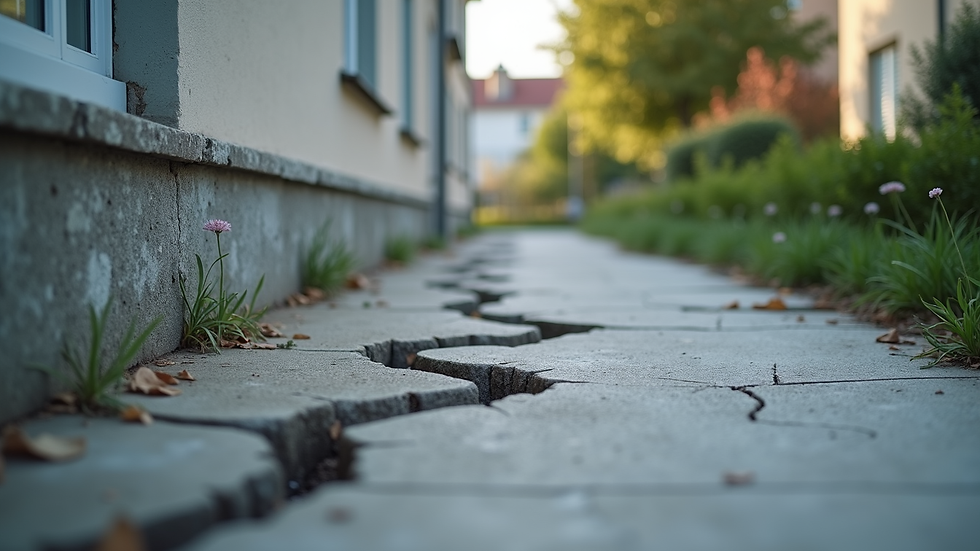
Cracks in concrete foundations are a common structural defect that can affect building safety.
How Building Defects Are Managed in Australia
When a building defect is found, the first step is usually to get a professional inspection. Building inspectors or engineers can assess the problem and recommend repairs. This helps owners understand the defect’s cause and severity.
One service that can be very helpful is a building defect inspection. For example, Perry Thomas Lawyers often work with clients who have had inspections done to identify defects before disputes arise. These inspections provide clear reports that can be used in negotiations or legal claims.
If the defect is covered by a builder’s warranty or insurance, the owner can request repairs. If the builder refuses or the defect is serious, legal advice may be needed. Perry Thomas Lawyers specialise in building and construction law and can guide clients through disputes, contracts, and claims related to defects.
Building Defect Inspection Services
A building defect inspection involves a detailed check of the property by a qualified professional. They look for visible and hidden defects, document their findings, and suggest solutions. This service is essential before buying a property or when defects appear after construction.
Using a building defect inspection service helps avoid surprises and supports claims if repairs are needed. It also provides peace of mind that the building is safe and sound.
Legal Rights and Responsibilities Around Building Defects
In Australia, builders have a legal duty to deliver work that meets building standards and contracts. If defects appear, owners have rights to repairs or compensation. The exact rules depend on the state or territory, but generally:
Builders must fix defects within a reasonable time.
Owners must notify builders promptly about defects.
There are time limits for making claims, often called “statutory warranties.”
If disputes arise, parties can use mediation, tribunal hearings, or court action. Legal experts like Perry Thomas Lawyers help clients understand their rights and options. They also assist with contract reviews to prevent defects and disputes from the start.
Example: Resolving a Waterproofing Defect
Imagine a homeowner finds water leaking through a balcony. They get a building defect inspection that confirms poor waterproofing. The builder denies responsibility. The homeowner contacts a lawyer who helps negotiate repairs or compensation. If needed, the lawyer can represent the homeowner in a tribunal.
This example shows how professional inspections and legal advice work together to solve defect problems.

Water damage on balconies is a common sign of waterproofing defects that require urgent attention.
Preventing Building Defects
Prevention is better than cure. Here are some tips to reduce the risk of defects:
Use reputable builders with good references.
Insist on clear, written contracts detailing work and materials.
Arrange regular inspections during construction.
Address minor issues quickly before they worsen.
Services like building contract review can help owners understand their agreements and spot risky clauses. Perry Thomas Lawyers offer contract review services to ensure clients’ interests are protected and defects are less likely.
If you want to learn more about managing building defects or need legal support, consider reaching out to specialists like Perry Thomas Lawyers who focus on construction law and defect disputes.
Conclusion
Building defects can pose significant challenges for property owners. By understanding the types of defects, knowing your rights, and seeking professional help, you can navigate these issues effectively. Remember, early detection and proactive management are key to maintaining the integrity of your property.
Whether you are dealing with minor cosmetic issues or major structural concerns, don’t hesitate to seek expert advice. This approach not only protects your investment but also ensures the safety and comfort of your living environment.


Comments